Feb . 15, 2025 18:44 Back to list
ash from coal
Coal ash, a byproduct of coal combustion in power plants, is often overlooked despite its significant potential in various applications. Historically viewed as waste, this material is rich in minerals and can be repurposed for numerous industrial uses. Understanding the properties and benefits of coal ash not only contributes to sustainable practices but also opens up opportunities for innovation in product development.
Research and development in material science are uncovering even more innovative uses for coal ash. Novel applications are being explored in the field of geopolymers, where coal ash serves as a precursor in the synthesis of environmentally friendly binders and composites. These materials exhibit similar or superior properties to traditional Portland cement but with a significantly lower carbon footprint. Despite these promising applications, the utilization of coal ash is not without challenges. Ensuring consistent quality and safety standards remains paramount. Regulatory bodies are working towards establishing comprehensive guidelines for coal ash processing and utilization to mitigate any potential environmental and health risks. Companies investing in coal ash product lines must prioritize rigorous quality control measures to maintain consumer trust and adhere to industry regulations. The global awareness towards sustainable development is driving the coal ash market towards a promising future. Industry stakeholders, including government agencies, researchers, and businesses, are collaborating to optimize coal ash usage and explore new frontiers. With concerted efforts, coal ash can transition from a mere byproduct to a valuable resource central to sustainable practices in various industries. Innovative approaches and responsible management will play pivotal roles in maximizing the benefits of coal ash, thus transforming challenges into opportunities for environmental and economic gains. Incorporating coal ash into circular economy models not only supports waste reduction but also stimulates advancements in green technologies and sustainable product manufacturing. As the demand for eco-friendly solutions continues to rise, coal ash represents a unique intersection of necessity and potential in addressing the environmental impacts of coal-fired power generation while fostering innovation across multiple sectors.
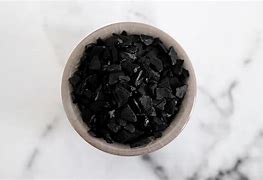

Research and development in material science are uncovering even more innovative uses for coal ash. Novel applications are being explored in the field of geopolymers, where coal ash serves as a precursor in the synthesis of environmentally friendly binders and composites. These materials exhibit similar or superior properties to traditional Portland cement but with a significantly lower carbon footprint. Despite these promising applications, the utilization of coal ash is not without challenges. Ensuring consistent quality and safety standards remains paramount. Regulatory bodies are working towards establishing comprehensive guidelines for coal ash processing and utilization to mitigate any potential environmental and health risks. Companies investing in coal ash product lines must prioritize rigorous quality control measures to maintain consumer trust and adhere to industry regulations. The global awareness towards sustainable development is driving the coal ash market towards a promising future. Industry stakeholders, including government agencies, researchers, and businesses, are collaborating to optimize coal ash usage and explore new frontiers. With concerted efforts, coal ash can transition from a mere byproduct to a valuable resource central to sustainable practices in various industries. Innovative approaches and responsible management will play pivotal roles in maximizing the benefits of coal ash, thus transforming challenges into opportunities for environmental and economic gains. Incorporating coal ash into circular economy models not only supports waste reduction but also stimulates advancements in green technologies and sustainable product manufacturing. As the demand for eco-friendly solutions continues to rise, coal ash represents a unique intersection of necessity and potential in addressing the environmental impacts of coal-fired power generation while fostering innovation across multiple sectors.
Next:
Latest news
 English
  Afrikaans
  Albanian
  Amharic
  Arabic
  Armenian
  Azerbaijani
  Basque
  Belarusian
  Bengali