Aug . 18, 2024 00:00 Back to list
Innovative Approaches in Carbon-Carbon Advanced Technologies for Sustainable Solutions
Advancements in Carbon-Carbon Technologies A Pathway to Sustainable Solutions
As the world grapples with the pressing challenges of climate change, energy consumption, and resource management, advanced carbon-carbon technologies are emerging as pivotal solutions in various fields. These technologies leverage the unique properties of carbon materials to create innovative products and systems that are not only efficient but also environmentally friendly. This article explores the latest advancements in carbon-carbon technologies and their implications for future sustainability.
Understanding Carbon-Carbon Technologies
Carbon-carbon composite materials primarily comprise carbon fibers embedded in a carbon matrix. This structure endows them with remarkable strength, high thermal resistance, and low density. Unlike traditional materials, carbon-carbon composites possess exceptional thermal conductivity and can withstand extreme temperatures, making them suitable for aerospace, automotive, and energy sectors. The ability to design carbon-based materials with tailored properties allows for enhanced performance in demanding environments.
Innovations in Composite Materials
Recent advancements in the fabrication of carbon-carbon composites have revolutionized their applications. Innovations such as 3D printing, advanced weaving techniques, and chemical vapor deposition (CVD) have streamlined production processes, reduced costs, and enhanced material properties. For instance, 3D printing allows for the precise construction of complex shapes that would be challenging to manufacture using traditional methods. These innovations pave the way for lightweight structures in aerospace, where optimizing weight can lead to significant fuel savings and lowered carbon emissions.
Environmental Impact and Sustainability
carbon carbon advanced technologies
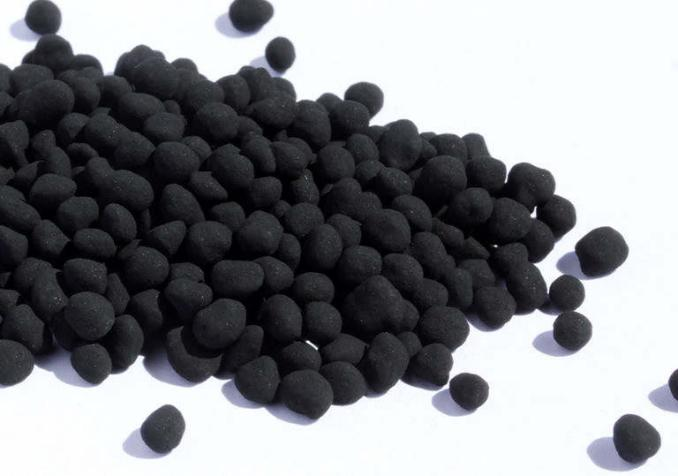
One of the most compelling advantages of carbon-carbon technologies is their potential to contribute to sustainability. Traditional materials often require extensive processing and produce significant waste. In contrast, carbon fibers can be derived from recycled materials, thus minimizing the environmental footprint. The life cycle management of carbon-carbon composites is becoming an area of interest, with researchers focusing on recycling methods and the development of bio-based carbon fibers. These advancements not only reduce reliance on fossil fuels but also promote circular economies.
Energy Applications
Carbon-carbon technologies are also making waves in the energy sector. For example, they are being used in the development of supercapacitors and batteries. The high conductivity and surface area of carbon materials enhance energy storage systems' efficiency, leading to faster charging times and longer life cycles. As the world transitions toward renewable energy sources, carbon-based technologies are pivotal in storing energy generated from solar and wind sources, thereby aiding in grid stabilization and energy management.
Future Prospects and Challenges
While the potential applications of carbon-carbon technologies are vast, several challenges remain. The need for significant investments in research and development to further enhance material properties and processing techniques is paramount. Additionally, increasing public awareness and acceptance of advanced materials will play a crucial role in their proliferation across various industries. Collaborations between academia, government, and the private sector can drive innovation and facilitate the transition to sustainable production practices.
Conclusion
Carbon-carbon advanced technologies embody a promising frontier in the pursuit of sustainability. With their unique properties and applications across numerous sectors, they offer practical solutions to some of the most pressing environmental challenges. As innovation continues to advance in this field, we can expect carbon-carbon technologies to play a central role in building a more sustainable future, driving economic growth while committing to environmental stewardship. The journey toward comprehensive sustainability is undoubtedly complex, yet carbon-carbon technologies stand out as pivotal tools in this transformative process.
 Basque
  English
  Afrikaans
  Albanian
  Amharic
  Arabic
  Armenian
  Azerbaijani
  Belarusian
  Bengali