Apr . 01, 2024 15:39 Back to list
What are charcoal air purifier bags
If you’ve noticed lingering, unpleasant odors in your home that you obviously want rid of, then placing a small bag of activated charcoal nearby should definitely reduce and even eradicate those smells in just a few days.
It may take a little more patience if you want to use these bags to absorb moisture or dampness, however. To see a noticeable difference, give it at least a week or more and you should hopefully notice an improvement.
The charcoal bag air purifier or bamboo carbon bags are a simple and effective way to clean the air around it of smells and moisture. It works by trapping particles in a bag made from activated charcoal which can absorb odors and other airborne nuisances. They were recently named by CNN as one of the very best things to keep your car clean and organized.

Whilst they can be a great device for certain situations, they are not a direct replacement for a real electronic air purifier for those looking to purify the air around them.
What are charcoal air purifier bags? (and what are they good for?)
Charcoal air purifier bags are a bag full of activated or non-activated carbon, much like the filter you would find in many air purifiers.
Whilst marketing material might suggest they can do a lot to clean the air, the reality is that with such small amounts of carbon and no way to push air – they are only really useful for things like keeping a drawer free of smells or excess humidity. They will be useless for dust or removing weed smell from a room – we have a list of the best air purifiers for weed that might be useful for this particular situation.
They generally don’t cost more than $1 per bag, so you are expected to change them when the activated carbon has absorbed as much odor/water as it can. Some people suggest putting them out in the sun every 2 months to help get more usage as then you can dry out the carbon for use again.
Homemade charcoal bags can be a simple, space-saving way of removing odors from the air in your home. Don’t expect these bags to clear all odors in large rooms, though, they work best in enclosed spaces like a kitchen drawer, cupboard, or inside the car they are perfect, especially when combined with a car air purifier with a HEPA filter for dealing with particles in the air.
If you have a small space that is susceptible to odors and issues with humidity (such as a shoe cupboard), then you should definitely consider an air-purifying charcoal bag as these are situations where the bag really shines.If you are looking to clean particles from the air, even a small room, then you will be disappointed with a charcoal bag.
Large space air purification needs a filter that can catch all the particles in the air, while charcoal bags primarily work for areas with limited space. If you want to use something to deal with dust, allergens, etc in a large space your best choice is a HEPA filter instead.
If an air purifier is what you need, check out our reviews of some of the best units out there today.
HouseFresh experiment: Are charcoal air purifying bags good at removing bad odors?
Whether it’s through sweating or even genetics, most of us experience the problem of smelly shoes from time to time and struggle with how to combat it.
Keeping your shoes dry is vital because bacteria thrive in humidity resulting in unpleasant odors. Activated charcoal bags are great for absorbing moisture so they minimize smells, if not eliminate them entirely.
We wanted to put this theory to the test and decided to run an experiment.
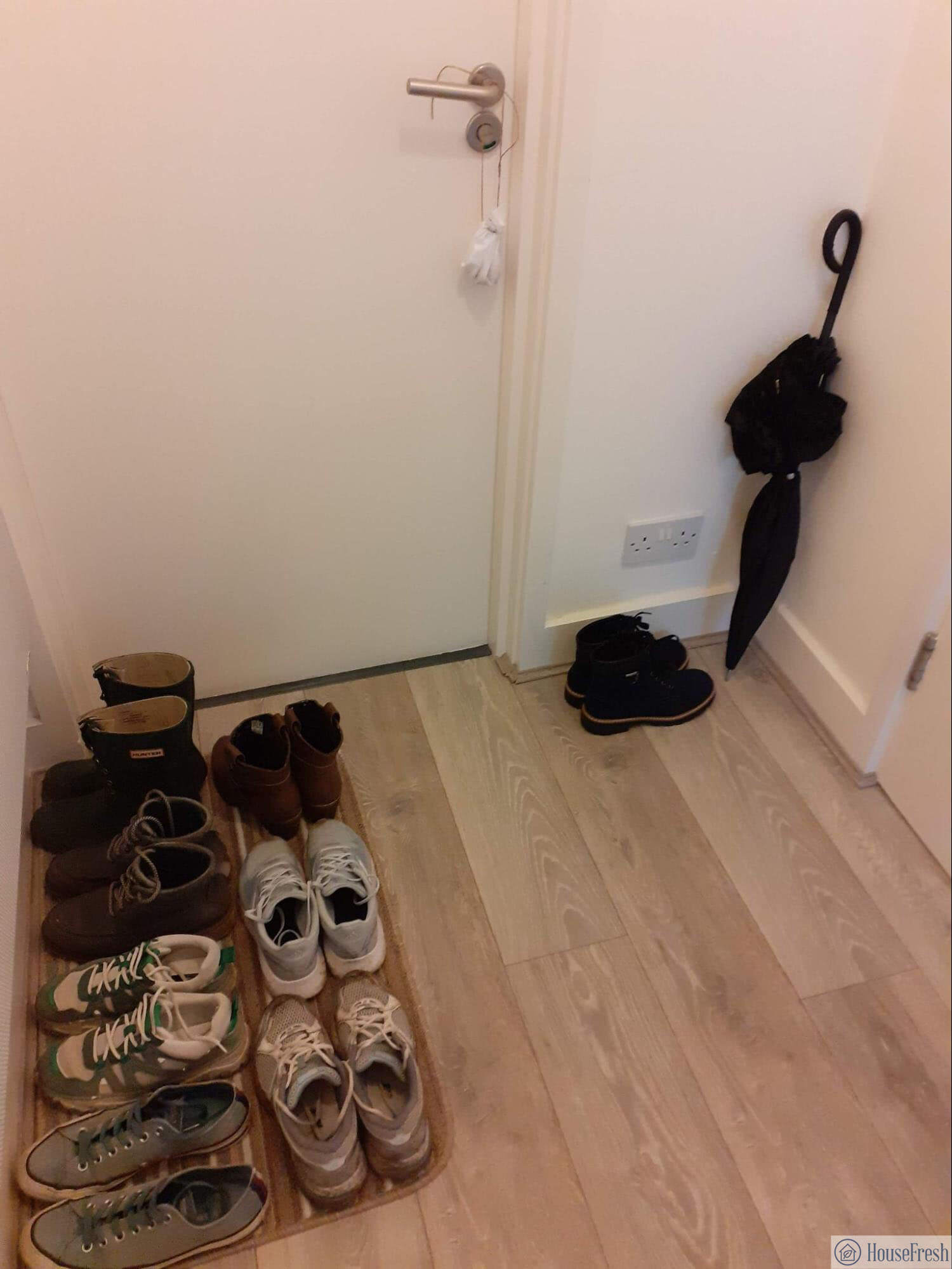
After making my activated charcoal bag, I hung it in a small room with a load of my dirty shoes. We’re talking old, muddy sneakers, running shoes, walking boots, and rain boots. Just 24 hours later, there was a noticeable difference when I went back into the room. The overall smell was fairly strong initially but less so a day later, however, they were still quite pungent.
I carried out checks each day, which meant taking in the whole room’s odor and smelling each pair of shoes closely. I didn’t exactly put my nose in the soles, but it was close.
After 5 days, my oldest, muddiest sneakers definitely smelled better, as did my other shoes. By a week, there was a massive improvement all around. Okay, they didn’t smell brand new, but I would say that the odors had been effectively neutralized. The only lingering smell that remains is the rubber from my rain boots, but I can live with that.
HouseFresh experiment: Are charcoal air purifying bags good at absorbing moisture?
The presence of damp in the home can lead to some serious issues. Using charcoal air purifying bags may not tackle the big jobs of a dehumidifier but at a fraction of the cost, they could fit in where a dehumidifier wouldn’t.
We wanted to find out how successful DIY dehumidifiers really are in the fight to control moisture.
For this experiment, I made another charcoal bag, placed it inside a small plastic container, and stored it in a corner of my bathroom. With all those hot showers and baths, this room definitely suffers from excess moisture so I thought it’d be the ideal place to situate the container.
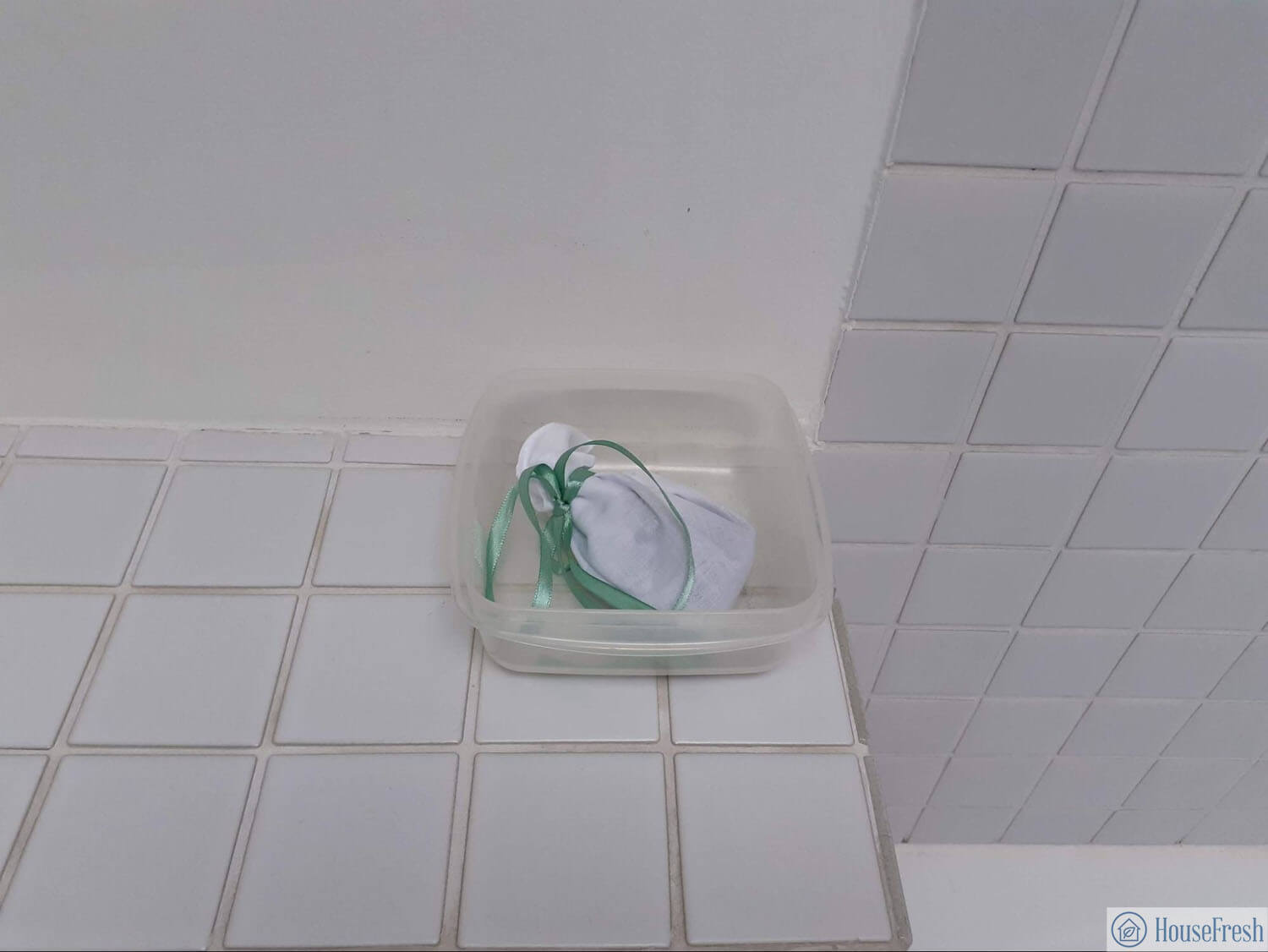
Checking the bag a day later, I could see and feel that it was still dry, so there was no discernible moisture absorption yet. I continued monitoring the bag daily as I did with the shoes. Unlike with that test, however, where I could detect marked changes and improvements, I couldn’t really observe any noticeable difference and reduction in moisture. One week passed, and the bag still felt bone dry.
While this was a bit disheartening, my instinct is that my DIY dehumidifier was doing something to reduce moisture levels. It’s just that the results weren’t as obvious or as fast as with the odor test. But I’ll keep the bag in its container for now anyway.
 Basque
  English
  Afrikaans
  Albanian
  Amharic
  Arabic
  Armenian
  Azerbaijani
  Belarusian
  Bengali