Aug . 07, 2024 10:55 Back to list
Trends and Factors Influencing the Cost of Carbon Fiber in Today's Market
The Costs of Carbon Fiber A Comprehensive Overview
Carbon fiber, a material renowned for its incredible strength-to-weight ratio, has transformed various industries, including aerospace, automotive, sporting goods, and marine applications. However, one significant barrier to its widespread adoption remains its cost. Understanding the factors that contribute to the overall pricing of carbon fiber can provide insights into its future prospects and potential alternatives.
Factors Influencing Carbon Fiber Costs
1. Raw Material Prices The primary raw materials used in carbon fiber production are polyacrylonitrile (PAN) and petroleum-based precursors. Fluctuations in the prices of these materials directly impact the overall cost of carbon fiber. For instance, the global oil market can affect petroleum-based precursor costs, which, in turn, influences the price of carbon fiber.
2. Manufacturing Process The production of carbon fiber is a complex, energy-intensive process that involves multiple steps precursor production, stabilization, carbonization, and surface treatment. Each step requires specialized equipment and skilled labor, contributing to high manufacturing costs. The introduction and optimization of new production methods, like lower-cost precursors and more efficient production techniques, have been areas of significant research aimed at reducing these costs.
3. Economies of Scale Carbon fiber production currently operates primarily at a relatively small scale compared to metals and plastics, leading to higher prices per unit. As demand increases and production expands, manufacturers may achieve economies of scale, potentially reducing costs. Initiatives aimed at expanding production facilities and investing in better technologies could lead to lower prices in the long run.
4. Market Demand The demand for lightweight and high-strength materials across various sectors influences carbon fiber pricing. Industries targeting improved fuel efficiency, such as aerospace and automotive, are increasingly adopting carbon fiber composites. As more companies prioritize reducing weight for environmental reasons, the competition for carbon fiber materials can drive prices up.
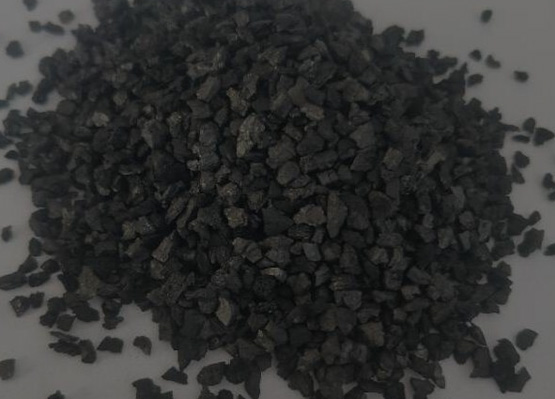
carbon fiber cost
5. Geopolitical Factors Global supply chains affected by geopolitical tensions, trade policies, or natural disasters can further contribute to price volatility. Any disruption in the supply chain for raw materials or production can lead to increased costs and supply shortages, affecting overall carbon fiber prices.
6. Alternative Materials As the research community explores alternatives to carbon fiber, such as aramid fibers, thermoplastic composites, and natural fibers, the cost dynamics may shift. If these alternatives can achieve similar performance levels at lower prices, they could pose significant competition to carbon fiber, affecting its market price.
Future Trends and Prospects
Looking ahead, the carbon fiber market is poised for growth. Innovations in production technologies, such as the development of low-cost carbon fiber manufacturing techniques and the use of recycling processes to create new fibers from waste materials, promise to decrease costs significantly. Additionally, as sustainability becomes more prominent in manufacturing practices, recycled carbon fiber may provide a cost-competitive alternative to virgin fibers.
Governments and large manufacturers are investing in research and development to find cost-effective solutions for carbon fiber production. These initiatives aim not only to lower prices but also to enhance the environmental sustainability of carbon fiber manufacturing processes.
Conclusion
In conclusion, while the current costs of carbon fiber remain a challenge for widespread adoption, several factors indicate that prices may become more competitive in the future. Innovations in production methods, increased demand, and potential alternatives could all play crucial roles in shaping the carbon fiber market. As advancements continue and the emphasis on sustainability grows, carbon fiber's applications may expand, making this material more accessible and economically viable for a broader range of industries.
 Bengali
  English
  Afrikaans
  Albanian
  Amharic
  Arabic
  Armenian
  Azerbaijani
  Basque
  Belarusian