ነሐሴ . 31, 2024 10:08 Back to list
Carbonizes - Sustainable Innovations for a Greener Future
The Journey of Carbonization Transforming Organic Matter into Valuable Resources
Carbonization is a thermal decomposition process that involves the conversion of organic material into carbon-rich char at elevated temperatures, usually in the absence of oxygen. This fascinating transformation plays a crucial role in multiple industries, including energy production, agriculture, and environmental management. The journey of carbonization not only highlights the potential of organic waste but also presents a pathway toward sustainable practices that can benefit our society and the planet.
The Journey of Carbonization Transforming Organic Matter into Valuable Resources
The benefits of carbonization extend far beyond waste management. Biochar produced through this process has emerged as a powerful tool in the fight against climate change. When added to soil, biochar not only sequesters carbon for centuries but also enhances soil health. Research has shown that incorporating biochar can lead to increased crop yields, reduced need for chemical fertilizers, and improved resilience against droughts. Farmers are beginning to adopt this ancient practice, often utilized by indigenous cultures, as they seek sustainable methods to improve soil quality and address food security challenges.
carbonizes
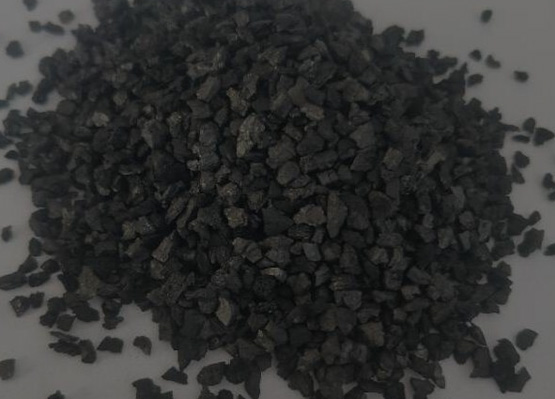
Moreover, carbonization contributes to the development of renewable energy sources. The heat generated during the carbonization process can be harvested and used for creating biofuels or for generating electricity. This dual functionality presents a compelling opportunity to optimize resource use and reduce dependence on fossil fuels. As the world grapples with energy shortages and rising greenhouse gas emissions, the potential of biochar as a renewable energy source cannot be overlooked.
Environmental management also benefits from carbonization. By converting organic waste into biochar, not only do we reduce landfill contributions, but we also mitigate methane emissions—a potent greenhouse gas produced during the decomposition of organic materials. By locking carbon in a stable form, carbonization aids in creating a circular economy, where waste is transformed into a resource rather than a burden.
In conclusion, carbonization stands as a testament to our ability to innovate and find sustainable solutions to age-old problems. By harnessing the power of this process, we can promote agricultural productivity, enhance energy independence, and contribute to climate change mitigation. As we continue to explore the potential of carbonization, we pave the way for a more sustainable and resilient future.
 Amharic
  English
  Afrikaans
  Albanian
  Arabic
  Armenian
  Azerbaijani
  Basque
  Belarusian
  Bengali