Aug . 01, 2024 11:08 Back to list
Analysis of Recent Trends in Europe's Coal Prices and Their Economic Impact
The Dynamics of European Coal Prices An Overview
In recent years, the coal market in Europe has undergone significant transformations, influenced by various economic, environmental, and political factors. As the world shifts towards more sustainable energy sources, European coal prices have exhibited notable volatility, reflecting the complexities of supply and demand dynamics, regulatory frameworks, and international market trends.
Historically, coal has been a cornerstone of energy production in Europe, primarily used for electricity generation and industrial processes. However, the European Union’s commitment to reducing greenhouse gas emissions has led to a concerted effort to transition away from coal in favor of cleaner energy alternatives. The European Green Deal, initiated in December 2019, aims to make Europe the first climate-neutral continent by 2050. This ambitious goal has put pressure on coal producers and users, leading to a gradual decline in coal consumption.
The Dynamics of European Coal Prices An Overview
Additionally, weather patterns play a crucial role in influencing coal prices. Unpredictable weather can affect renewable energy output, especially in a system increasingly reliant on wind and solar power. For example, prolonged periods of low wind or sun can lead to a surge in coal-fired power generation, consequently elevating coal prices due to heightened demand. Conversely, mild winters can reduce demand for coal, leading to falling prices.
europe coal prices
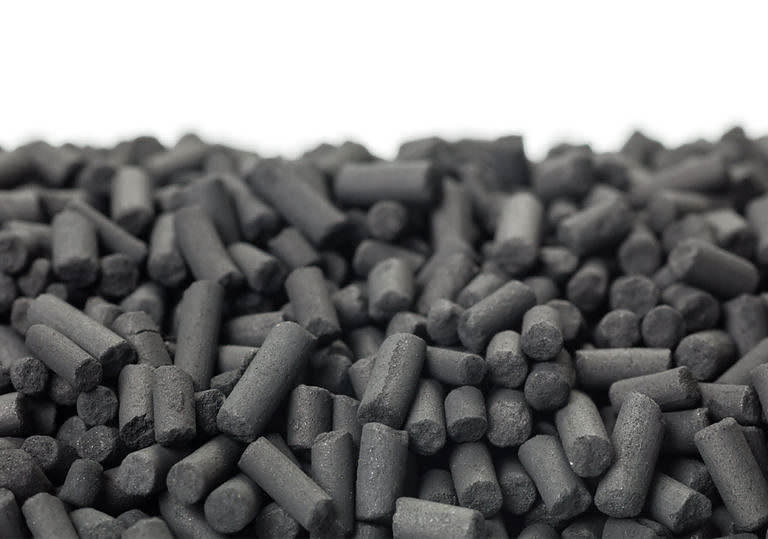
Regulatory measures have also had a pivotal impact on coal prices in Europe. The implementation of emissions trading systems (ETS) and stricter emissions regulations has raised operational costs for coal power plants. As a result, many operators have chosen to reduce coal usage or invest in cleaner technologies, altering the supply landscape and further affecting prices. The impending carbon border adjustment mechanism, aimed at leveling the playing field between European and non-European producers, is expected to add further complexity to the coal pricing structure.
Furthermore, the transition to renewable energy has led to an increase in competition for funding and investment. Investors are increasingly wary of financing coal projects due to environmental concerns and the risks associated with stranded assets. This has resulted in a shift in financial support towards sustainable energy initiatives, further squeezing the coal industry and contributing to price pressures.
Despite these challenges, it is essential to recognize that coal remains a vital energy source for many European countries, particularly those reliant on it for industrial processes or where alternative energy infrastructure is lacking. In Eastern Europe, for example, coal continues to play a crucial role in energy security and economic stability, complicating the region's transition towards greener energy sources.
In conclusion, European coal prices are shaped by a confluence of factors, including global market trends, geopolitical events, regulatory measures, and weather patterns. As the region navigates its transition towards sustainability, the coal market will likely continue to experience volatility. Stakeholders, including governments, producers, and consumers, must carefully monitor these dynamics to balance energy security, economic viability, and environmental responsibility in the ever-evolving landscape of European energy.
 Afrikaans
  English
  Albanian
  Amharic
  Arabic
  Armenian
  Azerbaijani
  Basque
  Belarusian
  Bengali